A Step-by-Step Guide to Repairing Your Credit Score in Texas


Understanding Your Credit Score
Your credit score is a crucial metric that can impact your financial life significantly. It determines your ability to get loans, the interest rates you'll pay, and even your eligibility for certain jobs. In Texas, just as in other states, maintaining a good credit score is essential for financial stability and growth.
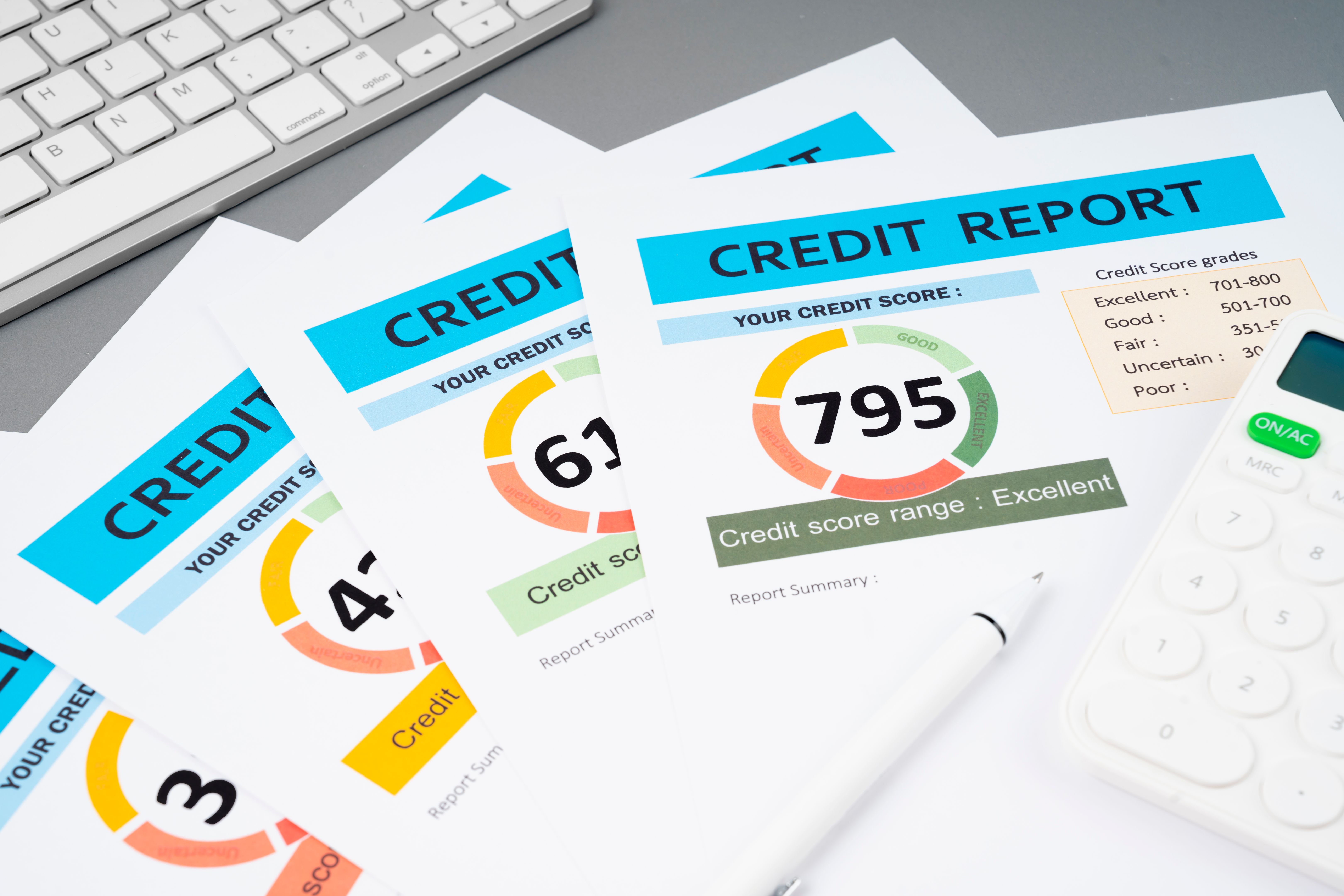
Credit scores typically range from 300 to 850, with higher scores indicating better creditworthiness. Scores above 700 are generally considered good, while scores below 600 may require attention. Understanding how your score is calculated and what factors affect it is the first step in the repair process.
Review Your Credit Reports
The first actionable step in repairing your credit score is to review your credit reports from the three major credit bureaus: Experian, TransUnion, and Equifax. You can obtain a free credit report from each bureau once a year through AnnualCreditReport.com.
Carefully examine each report for inaccuracies, such as incorrect personal information, accounts you don't recognize, or errors in your payment history. Disputing these errors can sometimes lead to a quick boost in your score.
Dispute Inaccuracies
If you find errors in your credit reports, it's important to dispute them promptly. Each credit bureau has an online system for filing disputes, or you can send a letter detailing the inaccuracies. Be sure to include any supporting documentation that verifies your claim.

Once a dispute is filed, the credit bureau must investigate the claim within 30 days. If the dispute is resolved in your favor, your credit report will be updated accordingly, which can improve your score.
Create a Debt Repayment Plan
High levels of debt can negatively impact your credit score, so creating a strategic repayment plan is crucial. Start by listing all your debts, including credit cards, loans, and any other obligations. Prioritize paying off high-interest debts first to save money over time.
Consider using the snowball method, where you focus on paying off smaller debts first to gain momentum. Alternatively, the avalanche method involves tackling high-interest debts first for maximum savings. Choose the method that best suits your financial situation.

Establish Good Credit Habits
Repairing your credit score isn't just about fixing past mistakes; it's also about establishing good habits for the future. Ensure you make all payments on time, as payment history is a significant factor in calculating your score.
Keep your credit utilization ratio below 30% by paying down balances and avoiding maxing out credit cards. Additionally, refrain from closing old accounts, as a longer credit history positively influences your score.
Seek Professional Help if Needed
If you're overwhelmed by the process or unsure where to start, consider seeking professional help. Credit counseling services can offer guidance and create personalized plans to help you improve your credit score.

Beware of companies that promise quick fixes or charge exorbitant fees for their services. Reputable credit counseling agencies are typically non-profit organizations that provide valuable assistance without breaking the bank.
Stay Informed and Patient
Repairing a credit score takes time and persistence. Continuously monitor your progress by regularly checking your credit reports and scores. Staying informed about changes can help you make necessary adjustments to your strategy.
Remember that improving your credit score is a gradual process. By following these steps diligently and maintaining patience, you can achieve a healthier financial future in Texas and beyond.