Credit Repair Myths Debunked: What Really Impacts Your Credit Score


Understanding Credit Scores
Credit scores are often misunderstood, leading to widespread myths about what impacts them. A credit score is a numerical representation of your creditworthiness, influencing your ability to secure loans, mortgages, and even certain jobs. Understanding what truly affects your credit score is crucial for maintaining a healthy financial profile.
Myth 1: Checking Your Credit Score Hurts It
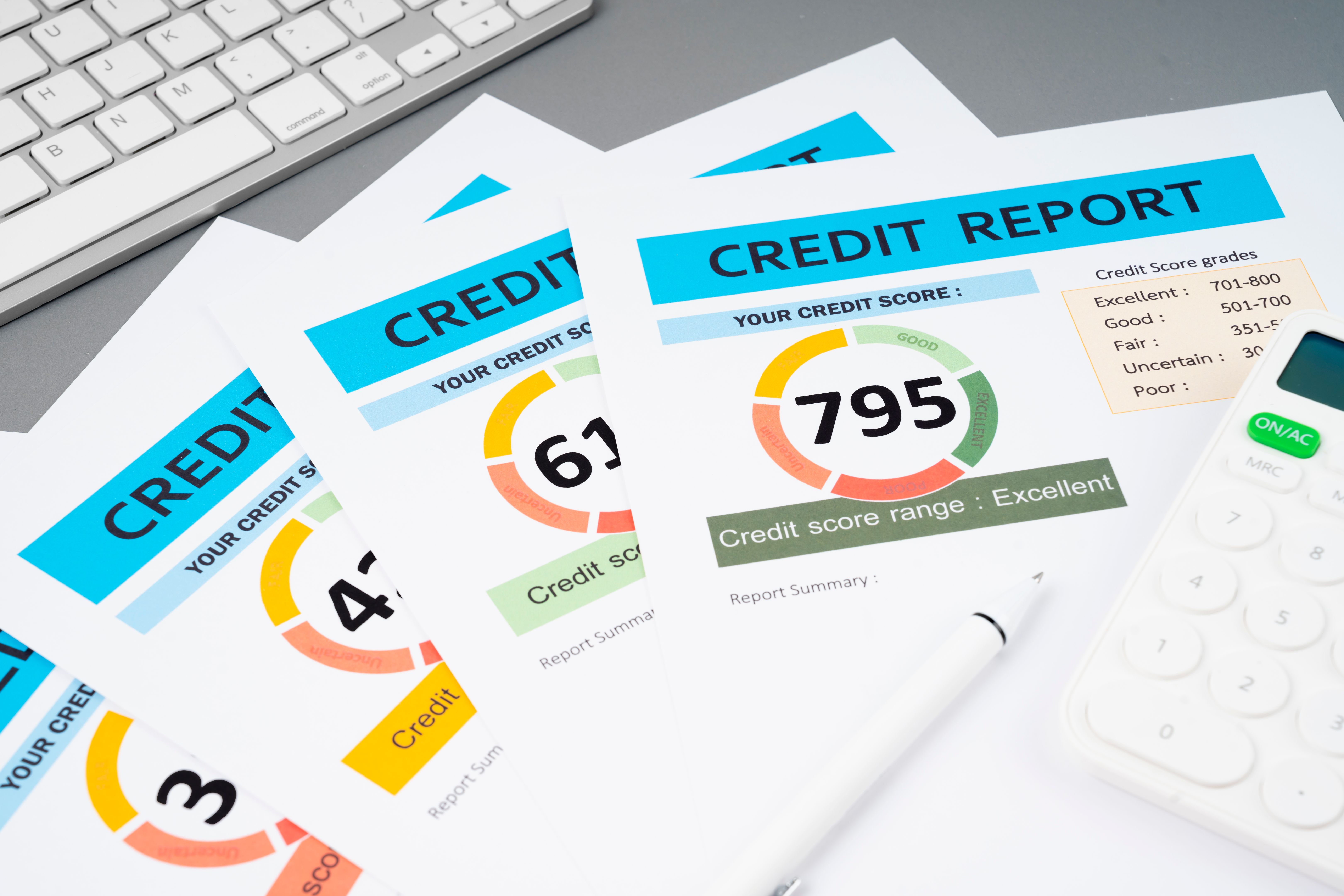
One of the most common misconceptions is that checking your own credit score will negatively impact it. In reality, this is not the case. When you check your credit score, it is considered a "soft inquiry" and does not affect your score. It's important to regularly review your credit report to ensure accuracy and catch any potential fraud early.
Myth 2: Closing Old Accounts Will Improve Your Score
Another prevalent myth is that closing old credit accounts will help boost your credit score. However, closing an old account can actually harm your score because it may reduce your available credit and shorten your credit history. Both factors are significant components of your overall credit score.

What Actually Impacts Your Credit Score?
Several key factors truly impact your credit score. Understanding these can help you make informed decisions to improve or maintain a good score:
- Payment History: Consistently paying bills on time is crucial as it accounts for a significant portion of your credit score.
- Credit Utilization: This ratio measures how much of your available credit you're using. Keeping utilization below 30% is generally recommended.
- Length of Credit History: A longer credit history typically results in a higher score, showcasing your experience in handling credit.
Myth 3: Only Credit Card Debt Affects Your Score
While credit card debt is a factor in determining your credit score, it’s not the only type of debt that matters. Other debts like mortgages, car loans, and student loans also play a role. Properly managing all forms of debt is essential for maintaining a healthy credit score.

The Role of New Credit Inquiries
Applying for new credit can temporarily lower your score due to "hard inquiries." These occur when lenders check your credit report to make lending decisions. While one or two inquiries may have a minor impact, multiple inquiries in a short period can signal risk and lead to a decrease in your score.
Myth 4: Bankruptcy Will Ruin Your Credit Forever
Although bankruptcy significantly impacts your credit score, it doesn’t ruin it forever. Over time, with responsible financial behavior like paying bills on time and reducing outstanding debts, you can rebuild your credit. Bankruptcy filings remain on your report for up to 10 years but their impact lessens over time.
Conclusion
Debunking these common myths about credit scores is essential for anyone looking to improve their financial health. By understanding the true factors that impact your credit score, you can take proactive steps to enhance it. Regularly monitoring your credit report, maintaining low credit utilization, and consistently paying bills on time are effective strategies for maintaining a strong credit profile.