DIY Credit Repair: Steps to Improve Your Credit Score at Home


Maintaining a healthy credit score is crucial for financial stability, but what if your score isn't quite where you'd like it to be? Fortunately, you can take control of your financial future by engaging in DIY credit repair from the comfort of your own home. By following some strategic steps, you can improve your credit score over time without needing to hire expensive services.
Understanding Your Credit Score
Before diving into credit repair, it's essential to understand what a credit score is and how it's calculated. Your credit score is a numerical representation of your creditworthiness, which lenders use to assess risk. The score is influenced by several factors, including payment history, amounts owed, length of credit history, new credit, and types of credit used. Knowing these factors can help you prioritize areas for improvement.
Obtain Your Credit Reports
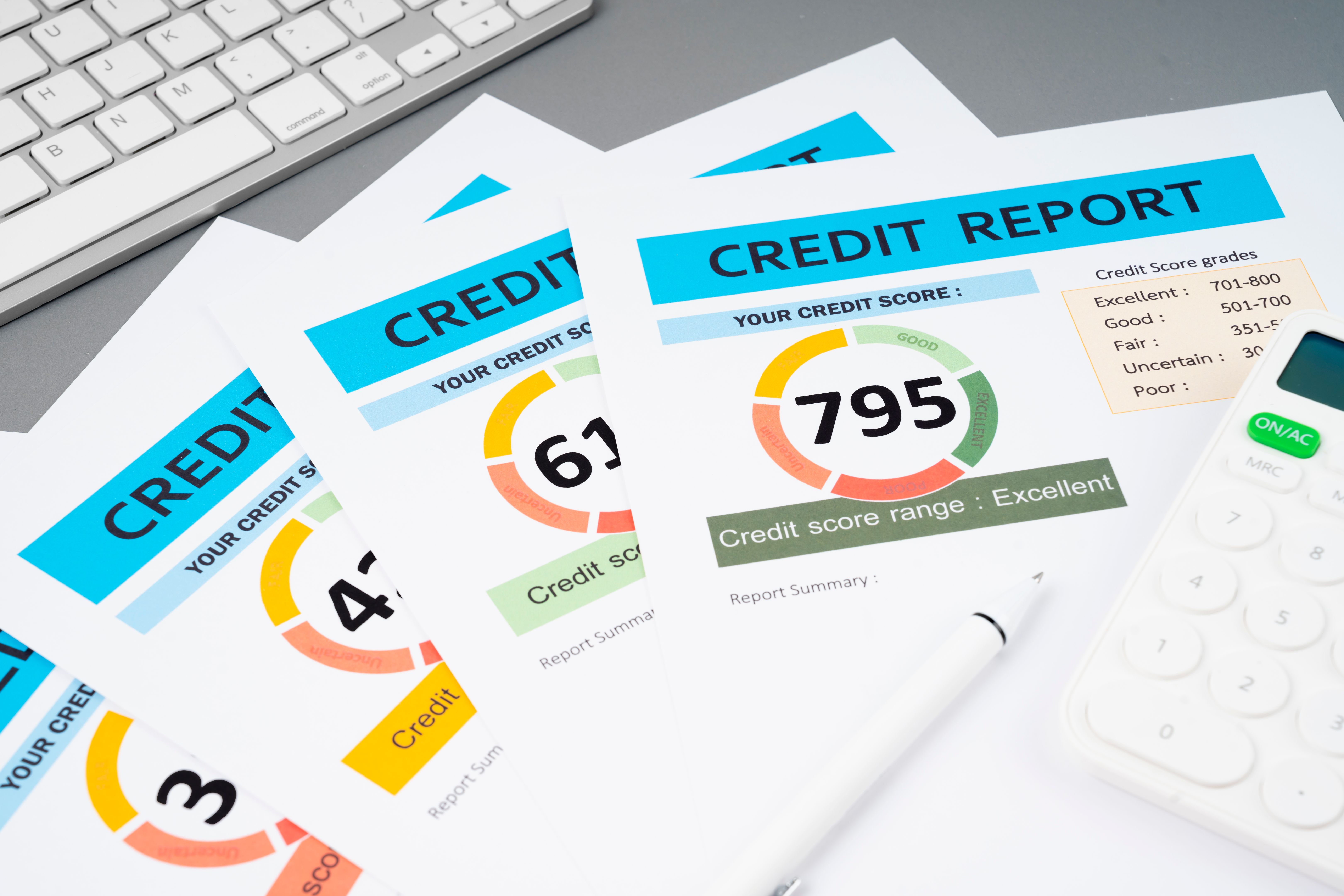
The first step in DIY credit repair is obtaining copies of your credit reports from the three major credit bureaus: Experian, TransUnion, and Equifax. You're entitled to one free report from each bureau every year through AnnualCreditReport.com. Reviewing these reports will give you a clear picture of your current standing and help identify any discrepancies or errors.
Identify and Dispute Errors
Errors in your credit report can negatively affect your score, so it's important to address them immediately. Carefully review each report for inaccuracies such as incorrect personal information, duplicate accounts, or fraudulent activity. If you find an error, file a dispute with the respective credit bureau. They are obligated to investigate and correct any verified mistakes.

Pay Down Outstanding Debts
One of the most impactful steps you can take to improve your credit score is paying down outstanding debts. Focus on reducing high-interest debts first while maintaining minimum payments on other accounts. This not only helps in decreasing the amount owed but also improves your credit utilization ratio, which makes up a significant portion of your credit score.
Establish a Payment Plan
Creating a structured payment plan can keep you on track with debt repayment. List all your debts and prioritize them by interest rate or balance. Allocate extra funds towards the highest priority debt each month while continuing to meet minimum payments on others. Over time, this strategy will reduce your overall debt and positively impact your score.

Build Positive Credit Habits
Establishing positive credit habits is key to maintaining a good credit score in the long term. Always pay your bills on time, keep credit card balances low relative to their limits, and avoid opening multiple new accounts in a short period. These habits demonstrate responsible financial behavior and contribute significantly to your overall credit health.
Monitor Your Progress
Regularly monitoring your credit score can help you track progress and adjust strategies as needed. Numerous services and apps provide free access to your credit score and alerts for any significant changes. Staying informed empowers you to make proactive decisions and continue improving your financial standing.
By following these DIY steps, you can embark on the journey toward better credit health independently. While it may take some time and effort, the benefits of a strong credit score are well worth it, providing you with greater financial opportunities and peace of mind.