DIY Credit Repair: Steps You Can Take Today


Understanding Your Credit Report
Your credit report is the foundation of your credit score, and understanding it is the first step in repairing your credit. Start by obtaining a free copy of your credit report from each of the three major credit bureaus: Experian, TransUnion, and Equifax. You are entitled to one free report from each bureau annually.
Once you have your reports, review them carefully for any inaccuracies or discrepancies. Common errors can include incorrect personal information, duplicate accounts, or accounts that don’t belong to you.
Disputing Errors
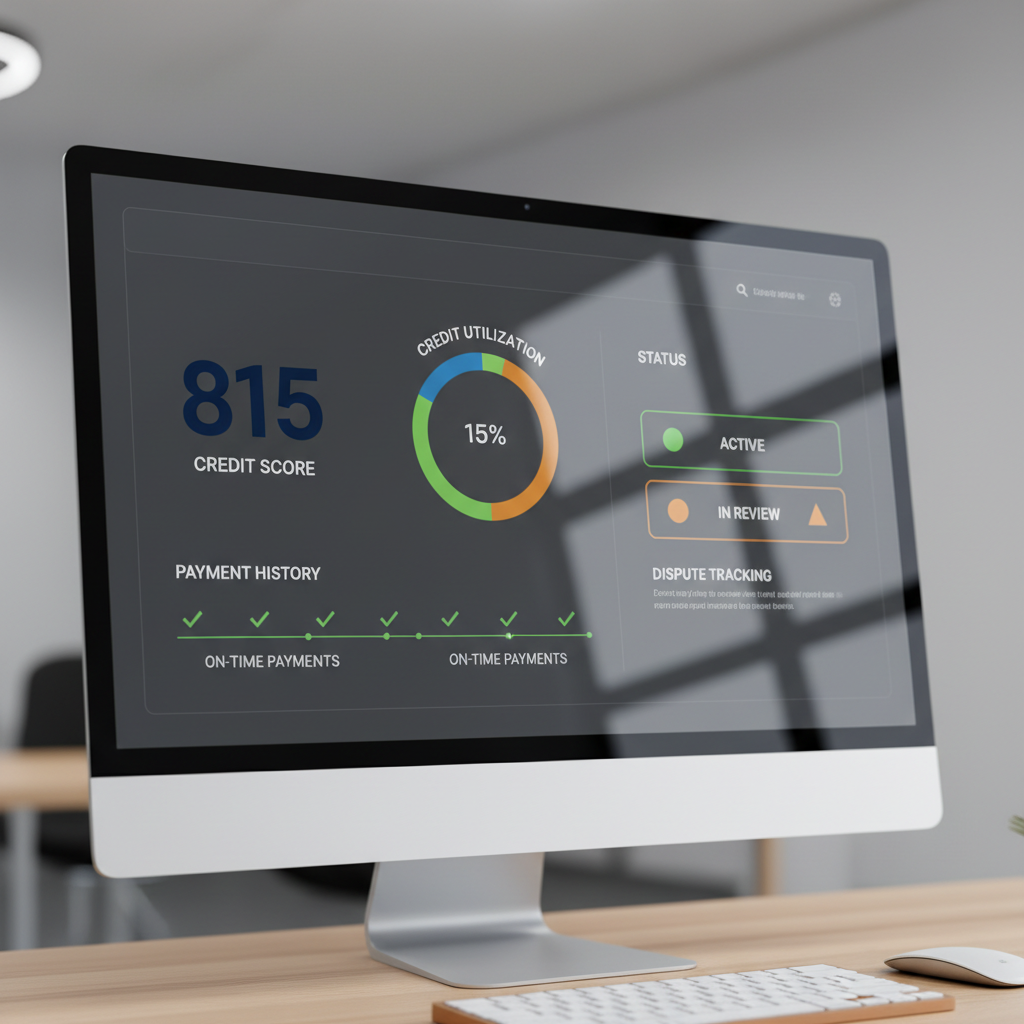
If you find errors on your credit report, you should dispute them immediately. You can do this by contacting the credit bureau directly, either online or through the mail. Provide any necessary documentation that supports your claim, and be clear and concise in your explanation.
Keep a copy of all correspondence and documentation related to your dispute. Credit bureaus are required to investigate your claim and respond within 30 days.
Paying Down Debt
Reducing your outstanding debt is one of the most effective ways to improve your credit score. Begin by listing all your debts and their interest rates. Focus on paying off high-interest debts first while maintaining minimum payments on others.
Consider using the snowball method, where you pay off smaller debts first to build momentum, or the avalanche method, which targets high-interest debts first for faster savings.

Establishing a Budget
Creating a budget helps you manage expenses and allocate funds toward debt repayment. Start by tracking your income and expenses to identify areas where you can cut back.
Set realistic goals for saving and debt reduction, and review your budget regularly to ensure you’re on track. There are many budgeting tools and apps available that can help simplify this process.
Using Credit Wisely
Improving your credit score also involves using credit responsibly. Keep your credit utilization ratio below 30% by maintaining low balances on your credit cards.
Avoid opening new credit accounts unless necessary, as each application can temporarily lower your credit score. Instead, focus on managing existing credit responsibly.

Building a Positive Credit History
Establishing a positive credit history takes time, but it’s crucial for long-term credit health. Make all your payments on time, as payment history is a significant factor in your credit score.
If you have limited credit history, consider becoming an authorized user on a trusted family member’s account or applying for a secured credit card to build credit responsibly.
Seeking Professional Help
If your credit situation feels overwhelming, you may want to consider seeking help from a professional credit counselor. They can provide guidance and support tailored to your specific situation.
Ensure you choose a reputable credit counseling service, ideally one that is nonprofit, and be wary of companies promising quick fixes or guaranteed results.

Monitoring Your Progress
Regularly monitoring your credit is essential to maintaining and continuing to improve your credit score. Consider using credit monitoring services that provide alerts for any changes to your report.
By staying proactive and informed, you can take control of your credit and work towards a healthier financial future.