How to Avoid Common Credit Repair Mistakes


Understanding Credit Repair
Credit repair is a process that involves fixing your credit report to improve your credit score. While it might seem straightforward, many people make mistakes that can hinder their progress. Avoiding these common pitfalls can make the difference between success and failure in improving your credit.
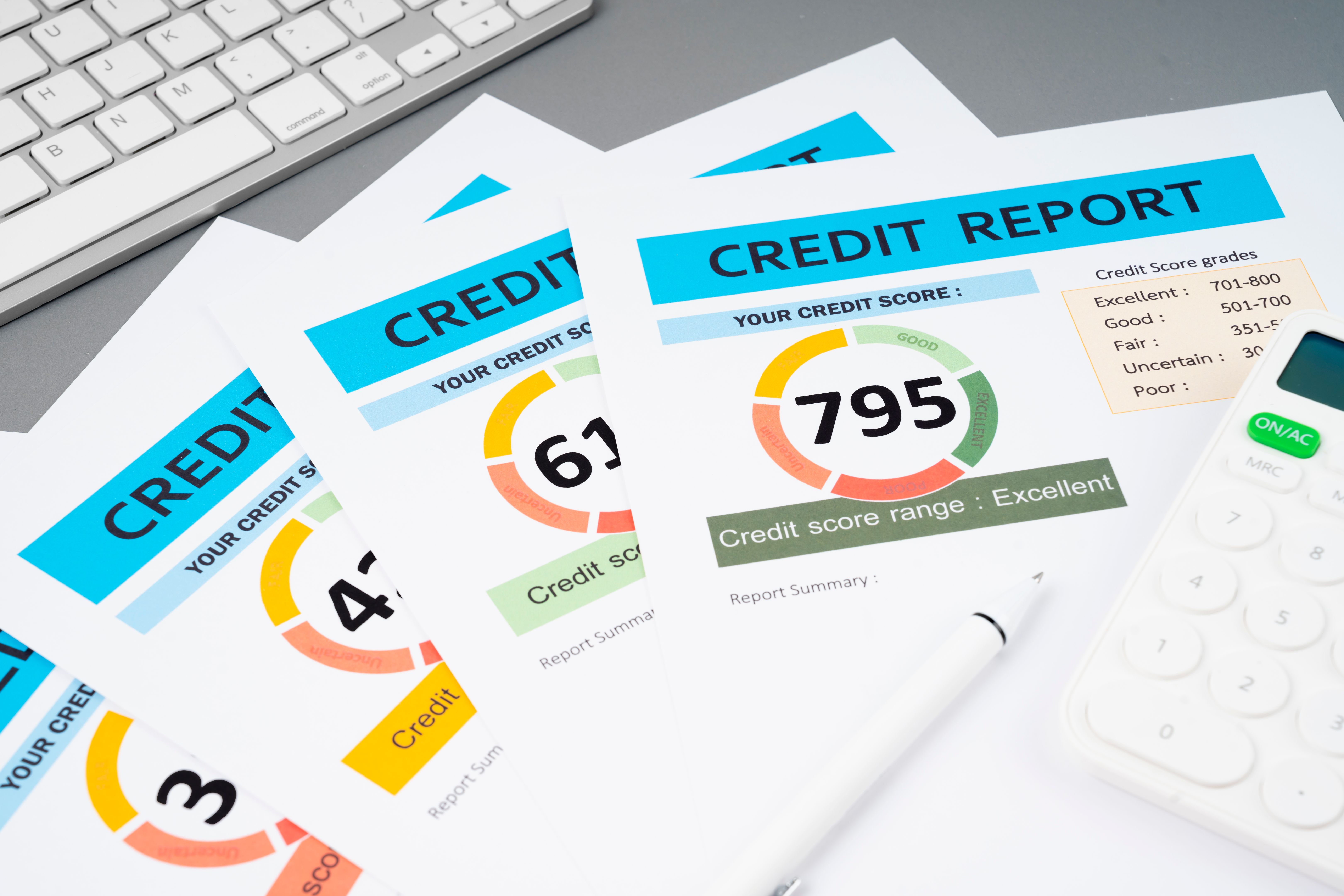
Ignoring Your Credit Report
One of the biggest mistakes individuals make is not regularly checking their credit reports. It’s essential to be aware of what’s on your report so you can identify errors or fraudulent activities. The first step in credit repair is to obtain a copy of your credit report from each of the three major credit bureaus: Experian, Equifax, and TransUnion.
Disputing Accurate Information
Another common error is disputing accurate information. While it's important to remove incorrect data, disputing legitimate items can waste time and resources. Focus on identifying and disputing only the errors on your credit report. Remember, disputes should be based on factual inaccuracies.

Effective Communication with Creditors
Communication with creditors is crucial in the credit repair process. Failing to communicate effectively can lead to misunderstandings and missed opportunities for negotiation. When contacting creditors, be clear about your intentions and keep records of all correspondences.
Neglecting to Follow Up
After initiating disputes or negotiating with creditors, many people fail to follow up. This oversight can lead to unresolved issues remaining on your credit report. Set reminders to check the status of disputes and verify that changes have been made as agreed.

Managing Your Debts Wisely
Improper debt management is another frequent mistake. Accumulating new debts while trying to repair your credit can be counterproductive. Focus on reducing existing debts by making timely payments and avoiding new lines of credit that you cannot afford.
Overlooking Budgeting
Creating and sticking to a budget is critical for successful credit repair. Many people overlook this step, leading to overspending and further debt accumulation. A well-planned budget helps you manage expenses, ensuring you have enough funds to pay down debts effectively.

Seeking Professional Help When Necessary
While many aspects of credit repair can be handled independently, there are situations where professional help is beneficial. Some individuals make the mistake of not seeking assistance when they are overwhelmed by the process. Credit counseling services can provide guidance and help create a personalized plan for credit improvement.
Avoiding these common mistakes can streamline your credit repair efforts and set you on the path to a healthier financial future. By staying informed, proactive, and organized, you can successfully navigate the complexities of credit repair.