How to Repair Your Credit: Expert Tips from Nixon & Nixon Legacy


Understanding Your Credit Score
Your credit score is a critical component of your financial health. It affects your ability to secure loans, credit cards, and even influences rental agreements and job applications. Understanding your credit score is the first step in repairing it. Credit scores are generally determined by factors such as your payment history, amounts owed, length of credit history, new credit, and types of credit used.
Start by obtaining a copy of your credit report from the major credit bureaus: Equifax, Experian, and TransUnion. Reviewing your report will allow you to identify any errors or discrepancies that may be negatively impacting your score.
Identify and Dispute Errors
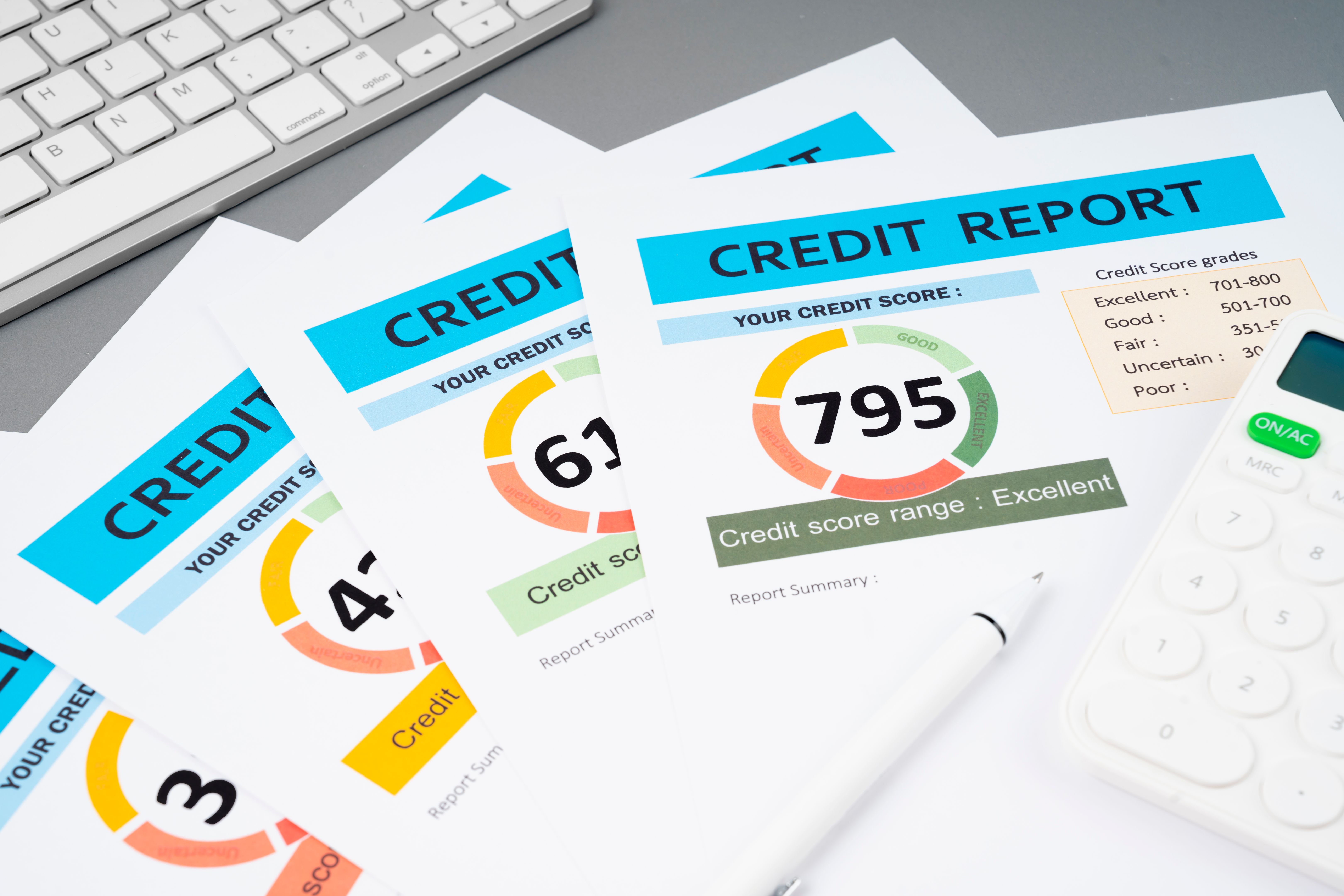
Errors on your credit report can significantly lower your score, so it's essential to address them promptly. Common mistakes include incorrect personal information, duplicate accounts, or inaccurate account statuses. If you find any errors, you should dispute them with the relevant credit bureau. This process may involve providing documentation to support your claim.
Acting quickly is crucial as resolving these issues can take time. Once the bureau investigates and confirms the error, they will correct it, which can lead to an improvement in your credit score.
Pay Your Bills on Time
Payment history is one of the most influential factors in your credit score. Consistently paying your bills on time demonstrates reliability and financial responsibility. Setting up automatic payments or reminders can help ensure you never miss a due date.
If you have missed payments in the past, it's important to get current and stay current. The longer you pay your bills on time after being late, the more your score should improve.

Reduce Your Debt
High levels of debt can be damaging to your credit score. To repair your credit, focus on paying down existing debts. Start by tackling high-interest debts first, as reducing these will save you money in the long run.
- Create a budget to identify areas where you can cut back and allocate more funds toward debt repayment.
- Consider using the "snowball" method to pay off smaller debts first for psychological momentum.
Limit New Credit Applications
Each time you apply for new credit, a hard inquiry is recorded on your credit report, which can slightly reduce your score. To repair your credit, try to limit applications for new credit accounts. Instead, focus on managing the credit you already have responsibly.

Consider Professional Help
If you're feeling overwhelmed by the process of repairing your credit, professional help may be a viable option. Credit counseling services can offer guidance and support tailored to your specific financial situation. Organizations like Nixon & Nixon Legacy specialize in helping individuals navigate the complexities of credit repair.
Working with experts can provide you with strategies and tools to effectively improve your credit score over time, ensuring long-term financial health.