How to Repair Your Credit: Tips from Nixon & Nixon Legacy LLC


Understanding Your Credit Score
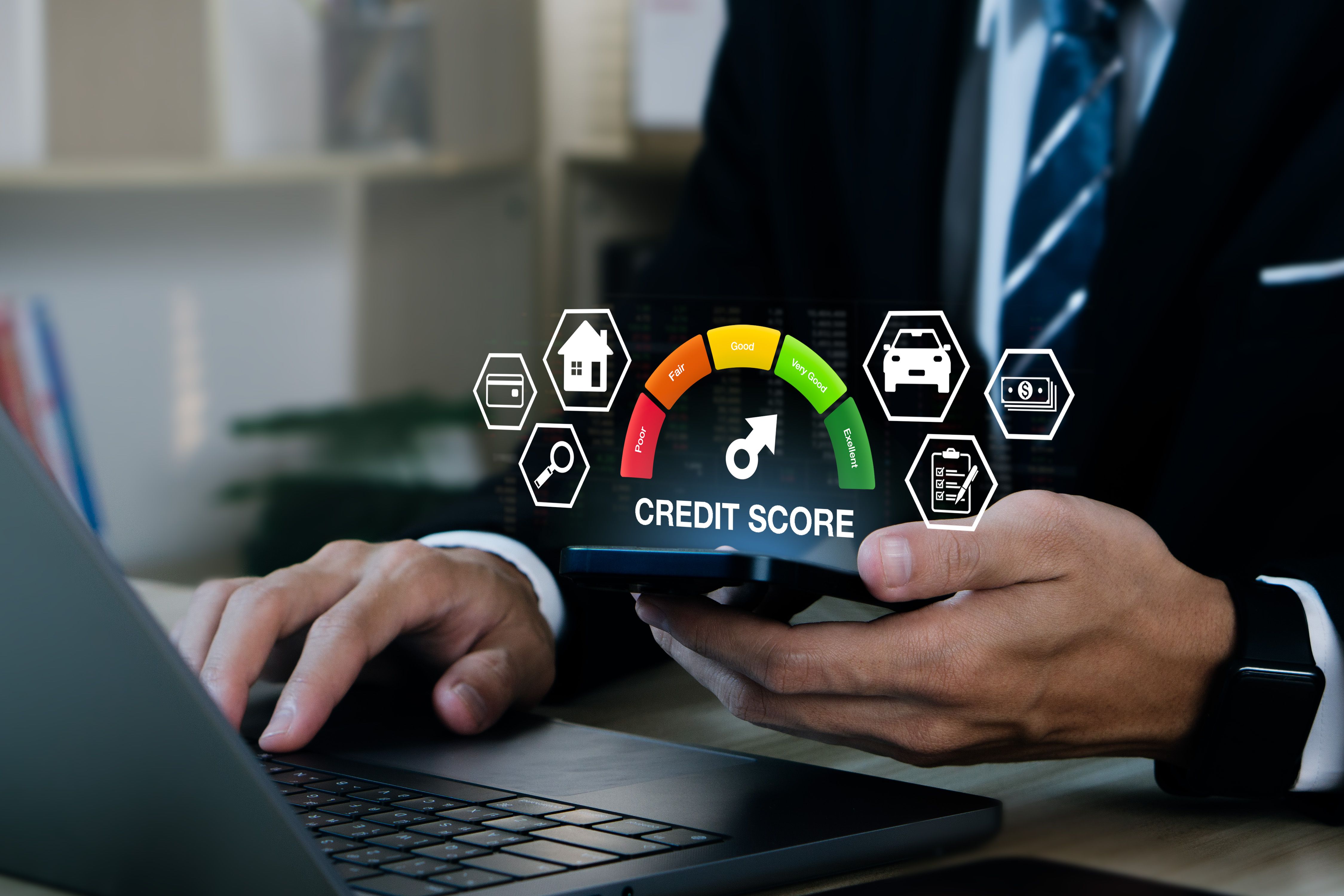
Before embarking on the journey to repair your credit, it's essential to understand what a credit score is and how it works. Your credit score is a number that reflects your creditworthiness, which lenders use to evaluate the risk of lending you money. It ranges from 300 to 850, with higher scores indicating better credit health.
Several factors contribute to your credit score, including your payment history, amounts owed, length of credit history, new credit inquiries, and types of credit used. Understanding these components can help you identify areas for improvement. Knowledge is power when it comes to credit repair.
Check Your Credit Report
The first step in repairing your credit is to obtain a copy of your credit report from major credit bureaus like Equifax, Experian, and TransUnion. By law, you are entitled to receive one free report from each bureau annually. Carefully review these reports for any errors or discrepancies.
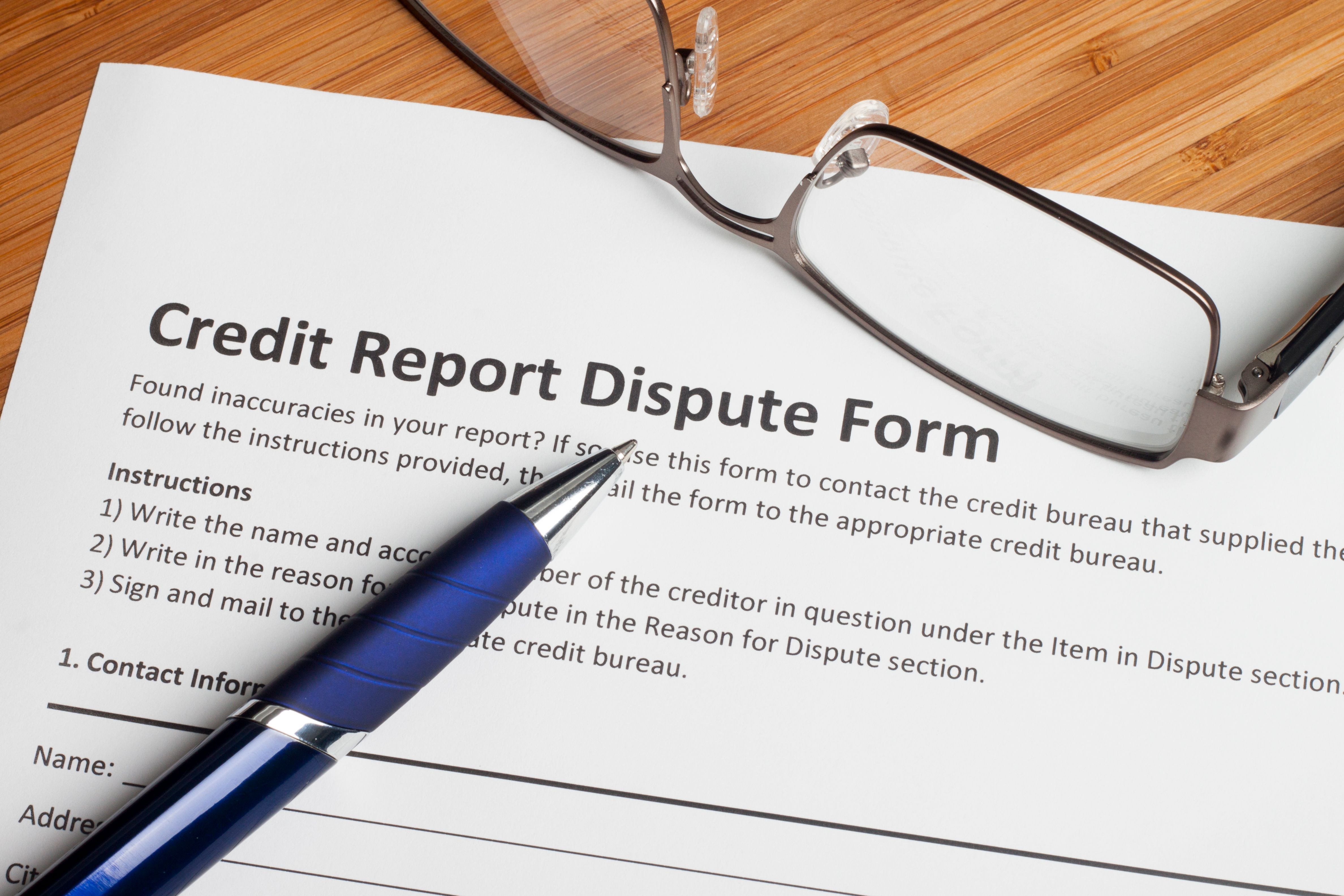
Common errors may include incorrect personal information, accounts that don’t belong to you, or inaccurate late payments. If you find any inaccuracies, dispute them immediately with the respective credit bureau. Rectifying these errors can significantly boost your credit score.
How to Dispute Errors
To dispute errors on your credit report, you can do so online, by mail, or over the phone. Provide documentation that supports your claim and clearly explain why the information is inaccurate. The credit bureau will investigate the matter, typically within 30 days, and inform you of the outcome.
Create a Budget and Payment Plan
Repairing your credit often involves creating a realistic budget and payment plan. Start by listing all your income sources and expenses to understand your financial situation better. This step helps in identifying unnecessary expenditures and areas where you can save.
Once you have a clear picture of your finances, prioritize paying down high-interest debts first while maintaining minimum payments on other accounts. Consistently following this plan can gradually improve your credit score over time.
Benefits of Automated Payments
Setting up automated payments can be a game-changer in managing your debts. Automated payments ensure that you never miss a due date, which can positively impact your payment history—one of the most significant factors in determining your credit score. Consider setting up alerts as well to remind you of upcoming payments.
Avoid New Credit Applications
While repairing your credit, it's crucial to avoid applying for new credit accounts unless absolutely necessary. Each application triggers a hard inquiry that can temporarily lower your credit score. Instead, focus on managing existing accounts responsibly.
If you must apply for new credit, research thoroughly to ensure you're choosing the right product that aligns with your financial goals. Look for options with low interest rates and favorable terms.
Seek Professional Help
If you're finding it challenging to repair your credit on your own, consider seeking professional assistance from reputable firms like Nixon & Nixon Legacy LLC. They specialize in helping individuals navigate the complexities of credit repair, offering tailored advice and strategies to boost your credit score effectively.
Professional credit repair services can negotiate with creditors on your behalf, help you consolidate debt, and provide insights into improving your financial habits. Remember, repairing your credit is a marathon, not a sprint—patience and persistence are key.