How to Repair Your Credit Score: A Step-by-Step Guide for Harris County Residents


Understanding Your Credit Score
Your credit score is a critical financial tool that can affect your ability to secure loans, obtain favorable interest rates, and even rent an apartment. In Harris County, like the rest of the United States, maintaining a good credit score is essential for financial health. Before diving into repair strategies, it’s important to understand what a credit score is and how it’s calculated.
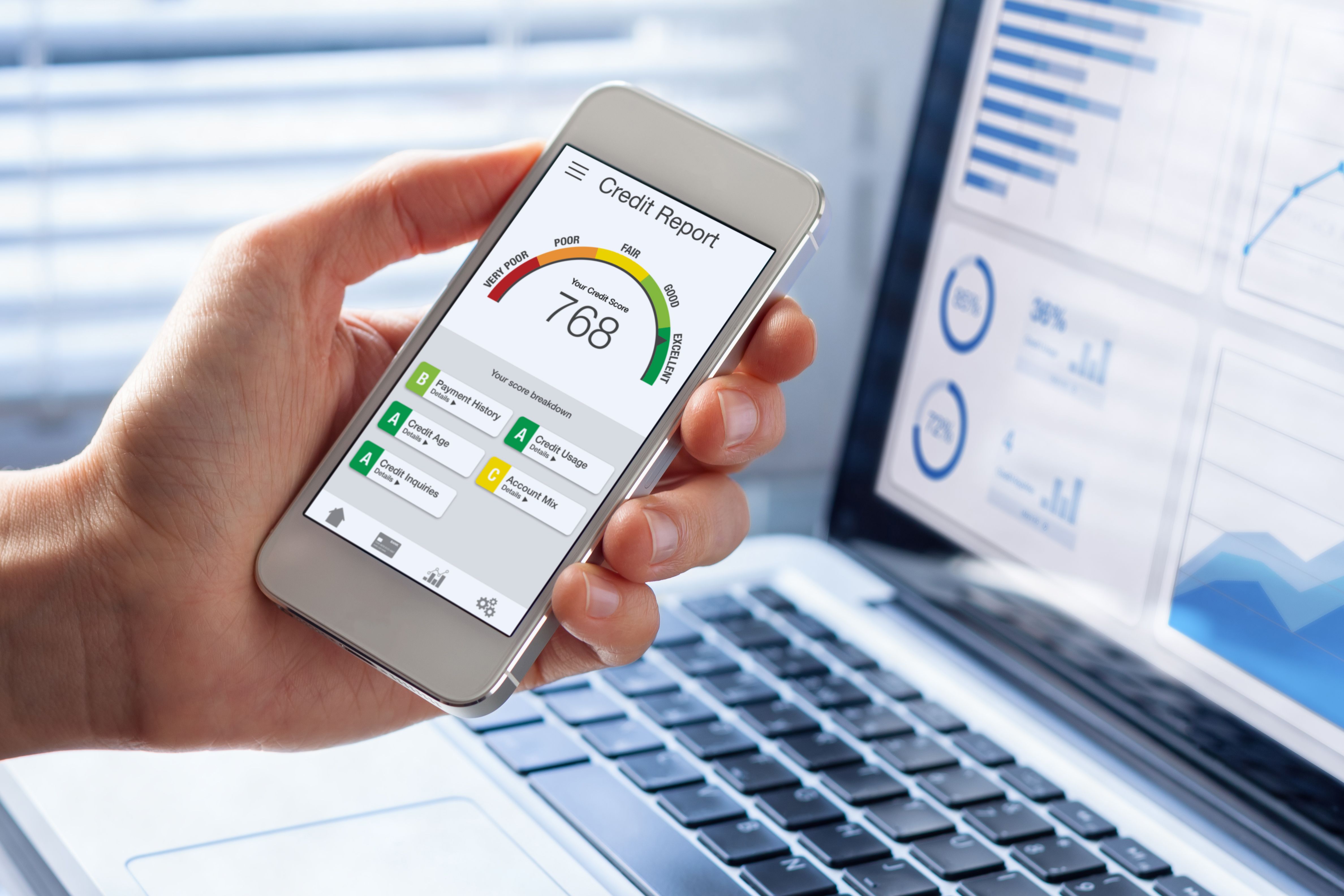
Credit scores are primarily calculated based on payment history, amounts owed, length of credit history, new credit, and types of credit used. Knowing which areas require attention can help you focus your efforts effectively.
Check Your Credit Reports
The first step in repairing your credit score is obtaining your credit reports from the three major credit bureaus: Equifax, Experian, and TransUnion. Residents in Harris County can access these reports annually for free via AnnualCreditReport.com. Reviewing these reports will help you identify any errors or discrepancies that might be negatively affecting your score.
If you find any inaccuracies, you should dispute them immediately. Each credit bureau provides a process for disputing errors online, which can lead to a correction and potentially an improved credit score.
Create a Payment Plan
One of the most significant factors impacting your credit score is your payment history. Therefore, making consistent, on-time payments is crucial. For Harris County residents, creating a solid payment plan can help ensure that bills are paid promptly.

Consider setting up automatic payments or reminders to avoid missed payments. If you're struggling to keep up with multiple debts, consolidating them into a single loan with a manageable interest rate might be beneficial.
Reduce Outstanding Debt
Another key element in improving your credit score is reducing the amount of debt you owe. Start by paying down high-interest debts first, as they can accumulate quickly and negatively impact your financial situation.
- Create a budget to track your expenses and identify areas where you can cut back.
- Use any extra funds to pay more than the minimum payment on your debts each month.

Limit New Credit Applications
While it may be tempting to apply for new credit cards or loans, doing so can negatively impact your credit score. Each application results in a hard inquiry on your credit report, which can lower your score slightly.
If you need to apply for new credit, try to space out your applications and only apply when necessary. This approach shows lenders that you are not overly reliant on credit and are managing your existing accounts responsibly.
Seek Professional Assistance
If you find repairing your credit score overwhelming or need personalized advice, consider consulting with a credit counseling service. Many non-profit organizations offer free or low-cost counseling services to Harris County residents.
These professionals can help you create a tailored plan to manage your debts and improve your financial health over time.
Stay Patient and Consistent
Repairing your credit score is not an overnight process; it requires patience and consistency. By following these steps and maintaining responsible financial habits, Harris County residents can gradually improve their credit scores over time.
Remember, the journey to a better credit score is a marathon, not a sprint. Stay committed to your financial goals and celebrate small victories along the way.