How to Repair Your Credit Score: Expert Insights from Nixon & Nixon


Repairing your credit score can seem like a daunting task, but with the right approach and guidance, it's entirely achievable. At Nixon & Nixon, we understand the intricacies of credit repair and are here to share expert insights to guide you on your journey to financial recovery.
Understanding Your Credit Score
Your credit score is a numerical representation of your creditworthiness. It ranges from 300 to 850, with higher scores indicating better credit. Lenders use this score to determine your eligibility for loans, credit cards, and other financial products. Therefore, it's crucial to understand what factors influence your credit score.
Several key components impact your credit score, including payment history, credit utilization, length of credit history, new credit inquiries, and credit mix. By focusing on these areas, you can strategically improve your score over time.
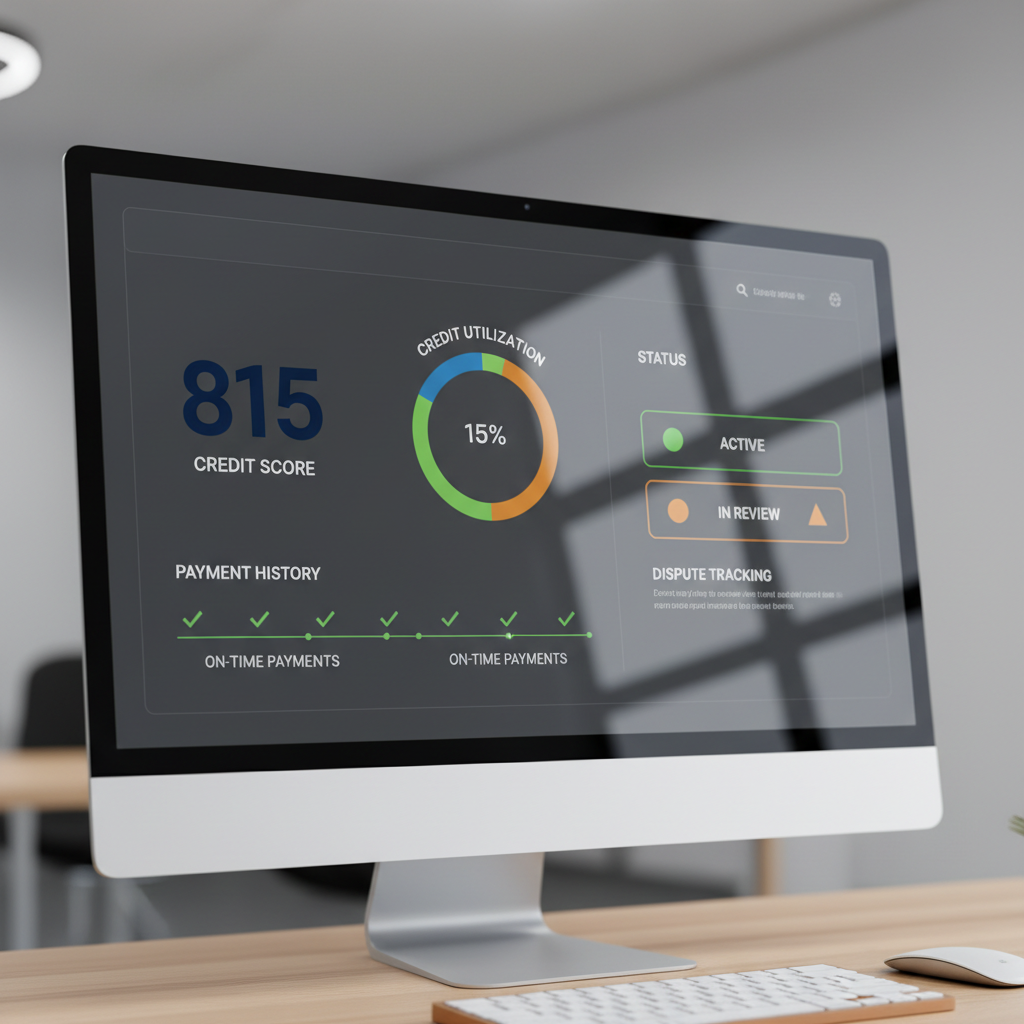
Steps to Repair Your Credit Score
Review Your Credit Report
The first step in repairing your credit score is obtaining a copy of your credit report. You are entitled to one free report annually from each of the three major credit bureaus: Experian, TransUnion, and Equifax. Review your report for errors or discrepancies, as these can negatively impact your score.
Dispute Inaccuracies
If you find any errors on your credit report, it's essential to dispute them promptly. Contact the credit bureau in question and provide documentation to support your claim. Correcting inaccuracies can lead to a significant improvement in your credit score.
Pay Bills on Time
Your payment history is a critical factor in your credit score. Late payments can have a severe impact, so it's vital to pay all bills on time. Consider setting up automatic payments or reminders to help manage your bills effectively.
Strategies for Long-Term Improvement
Reduce Credit Card Balances
Credit utilization, or the ratio of your credit card balances to your credit limits, accounts for a significant portion of your credit score. Aim to keep your utilization below 30%. Paying down existing balances is a practical way to achieve this.

Avoid Opening New Credit Accounts Unnecessarily
While it may be tempting to open new credit accounts, especially when offered enticing deals, doing so can negatively impact your credit score. Each new inquiry can lower your score slightly, so apply for new credit only when necessary.
Consider Professional Help
If you find the process overwhelming, consider seeking professional assistance. Nixon & Nixon offers credit repair services tailored to your specific needs, helping you navigate the complexities of credit restoration with ease.
By following these expert insights, you can take control of your financial future and work towards a healthier credit score. Remember, improvement takes time and dedication, but with persistence, you can achieve your financial goals.