Seasonal Tax Preparation Checklist: Stay Ahead This Tax Season


Understanding the Importance of Early Tax Preparation
As the tax season approaches, it’s crucial to start preparing early. Early preparation not only reduces last-minute stress but also ensures that you have ample time to gather all necessary documents. Planning ahead can help you identify potential deductions and credits that might otherwise be overlooked.
Gather Essential Documents
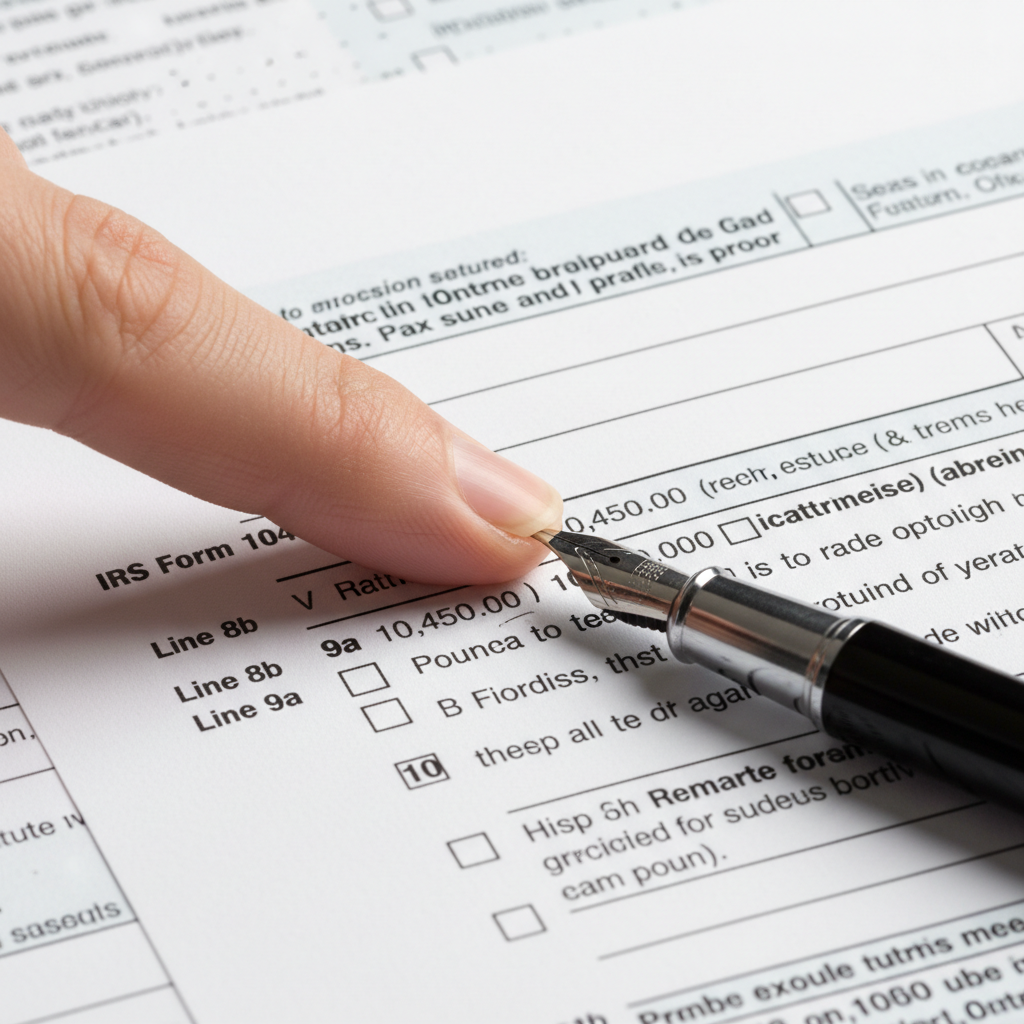
The first step in preparing for tax season is to gather all necessary documents. This includes:
- Income statements: W-2s for employees and 1099s for freelancers or contractors.
- Investment income: 1099-DIVs and 1099-INTs for dividends and interest.
- Home-related documents: Mortgage interest statements and property tax receipts.
Having these documents on hand will make filing your taxes much smoother.
Review Last Year’s Tax Return
Reviewing your previous year’s tax return can provide insights into what documents and information you may need this year. It can also help identify any changes in your financial situation that could affect your taxes, such as a new job, a change in marital status, or the birth of a child.

Maximize Deductions and Credits
One of the key aspects of tax preparation is understanding which deductions and credits apply to you. Consider the following:
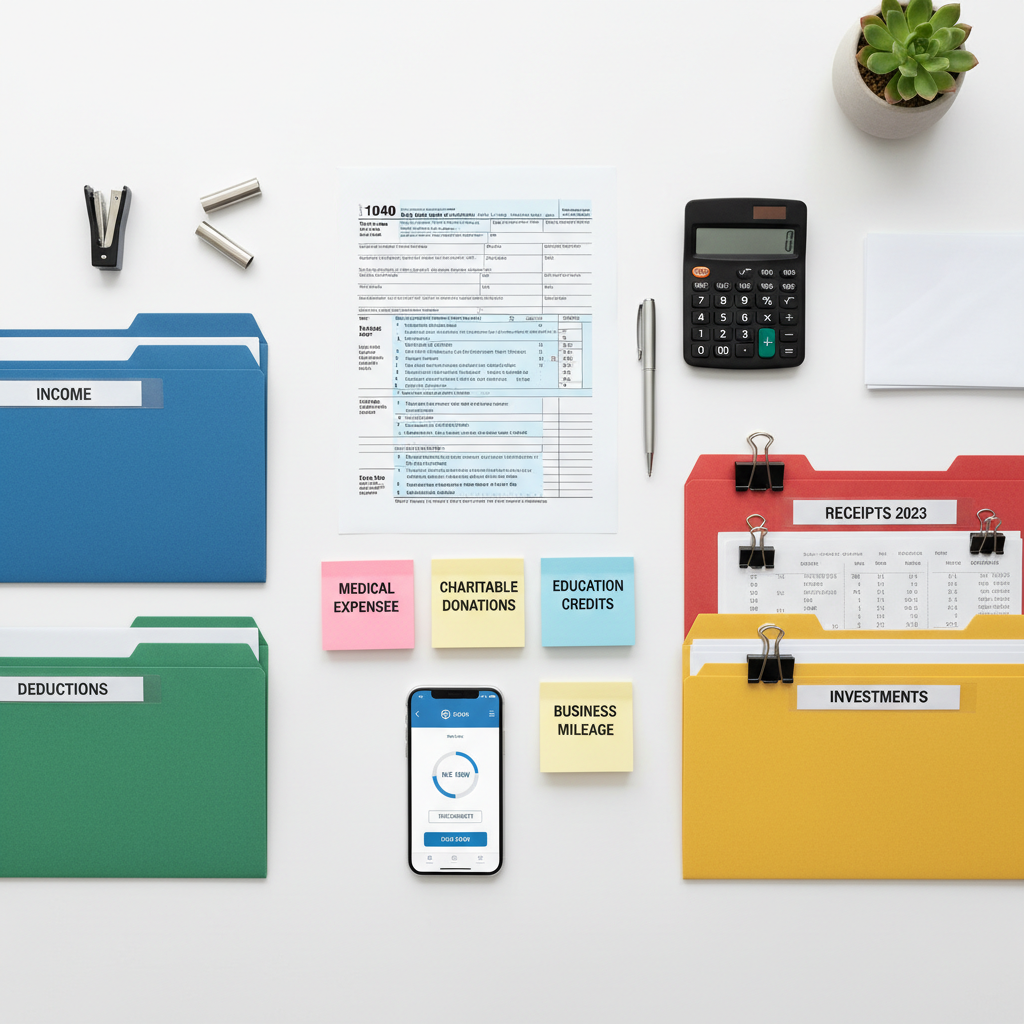
- Charitable contributions: Keep receipts for donations to claim deductions.
- Education expenses: Look into credits like the American Opportunity Credit.
- Medical expenses: Track out-of-pocket costs that might be deductible.
Utilize Tax Software or Consult a Professional
Using reliable tax software can simplify the process of filing your taxes. These programs often guide you through each step and help ensure accuracy. Alternatively, consulting with a tax professional can provide personalized advice and strategies tailored to your financial situation.
Set Aside Time for Tax Preparation
It’s important to dedicate specific times to work on your taxes. This allows you to focus without distractions and helps ensure that you don’t miss any important details. Consider setting aside a few hours each weekend as you approach the filing deadline.
Stay Informed About Tax Law Changes
Tax laws can change annually, impacting deductions, credits, and filing procedures. Staying informed about any changes can prevent surprises and help you take advantage of any new opportunities to reduce your tax liability. Follow IRS updates or consult with a tax professional to stay on top of these changes.
Plan for Next Year
Once you’ve filed your taxes, take some time to plan ahead for next year. Consider adjusting your withholding or making estimated tax payments if necessary. Keeping organized records throughout the year can make future tax seasons less stressful.
By following this checklist, you can stay ahead this tax season and ensure a smooth and stress-free filing process.