Seasonal Tax Preparation Tips: Maximizing Your Returns in Texas


As the seasons change, so do tax regulations and opportunities. For Texans, understanding the nuances of state-specific tax preparation can make a significant difference in maximizing returns. With the right strategies, you can ensure that you're not leaving any money on the table.

Understanding Texas Tax Regulations
Unlike many states, Texas does not impose a state income tax. This can be a significant benefit for residents, but it's essential to be aware of other tax obligations. Texans should focus on federal tax returns and any applicable local taxes, ensuring that all deductions and credits are accurately applied.
Essential Federal Deductions
While state income tax isn’t an issue, federal deductions can significantly impact your tax liability. Consider itemizing deductions if they exceed the standard deduction. Common deductions include mortgage interest, charitable contributions, and medical expenses. Keeping meticulous records will help maximize these deductions.
Seasonal Employment and Tax Implications
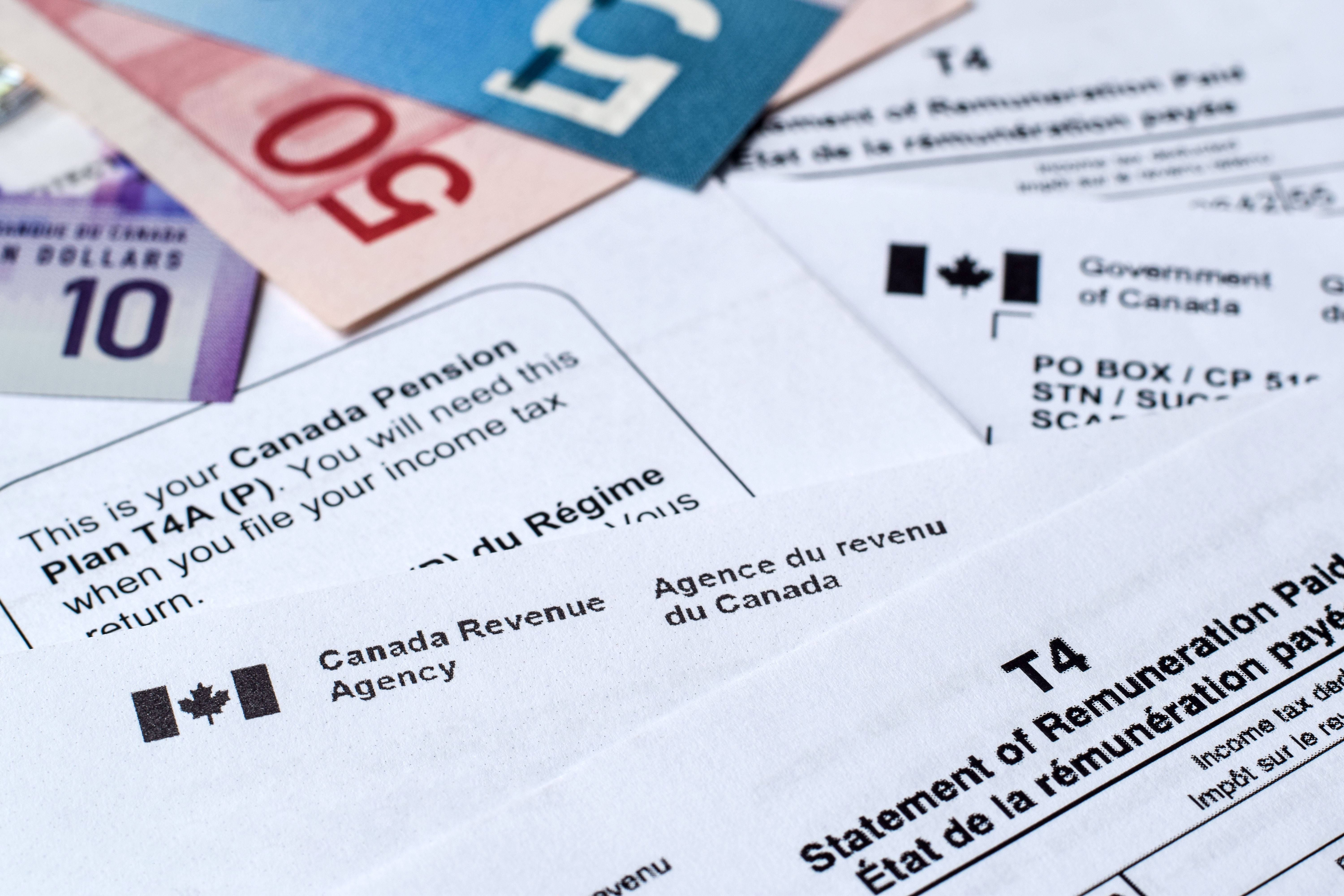
Many Texans engage in seasonal work, especially in agriculture and tourism. It's crucial to understand how seasonal employment affects your taxes. Seasonal workers should ensure that multiple W-2 forms are collected and accurately reported. Additionally, adjusting your withholding can prevent unpleasant surprises when filing your return.
Managing Multiple Income Streams
If you're juggling several jobs or side gigs, maintaining organized records is essential. Consider using tax software or consulting with a tax professional to manage complexities and ensure all income is reported correctly. This can help in avoiding penalties and interest on underpaid taxes.

Maximizing Tax Credits
Tax credits can directly reduce your tax liability, and Texans should be aware of the available options. Credits such as the Earned Income Tax Credit (EITC) and Child Tax Credit can offer substantial savings. Ensure you meet the eligibility requirements and provide necessary documentation to claim these credits effectively.
Planning for Future Tax Seasons
Effective tax planning extends beyond the current year. Consider contributing to retirement accounts like IRAs or 401(k)s, which can reduce taxable income and provide long-term benefits. Setting up a system for tracking expenses and income can simplify future tax seasons and ensure you're always prepared.
As tax season approaches, being proactive and informed is your best strategy. By understanding Texas-specific regulations and leveraging available deductions and credits, you can maximize your returns and enjoy greater financial peace of mind.