Seasonal Tax Preparation Tips for Harris County Residents


Get a Head Start on Tax Preparation
As the tax season approaches in Harris County, it's essential to start preparing early. By organizing your documents and understanding the local tax requirements, you can ensure a smooth and stress-free filing process. This guide will provide you with key tips to help you navigate tax season effectively.
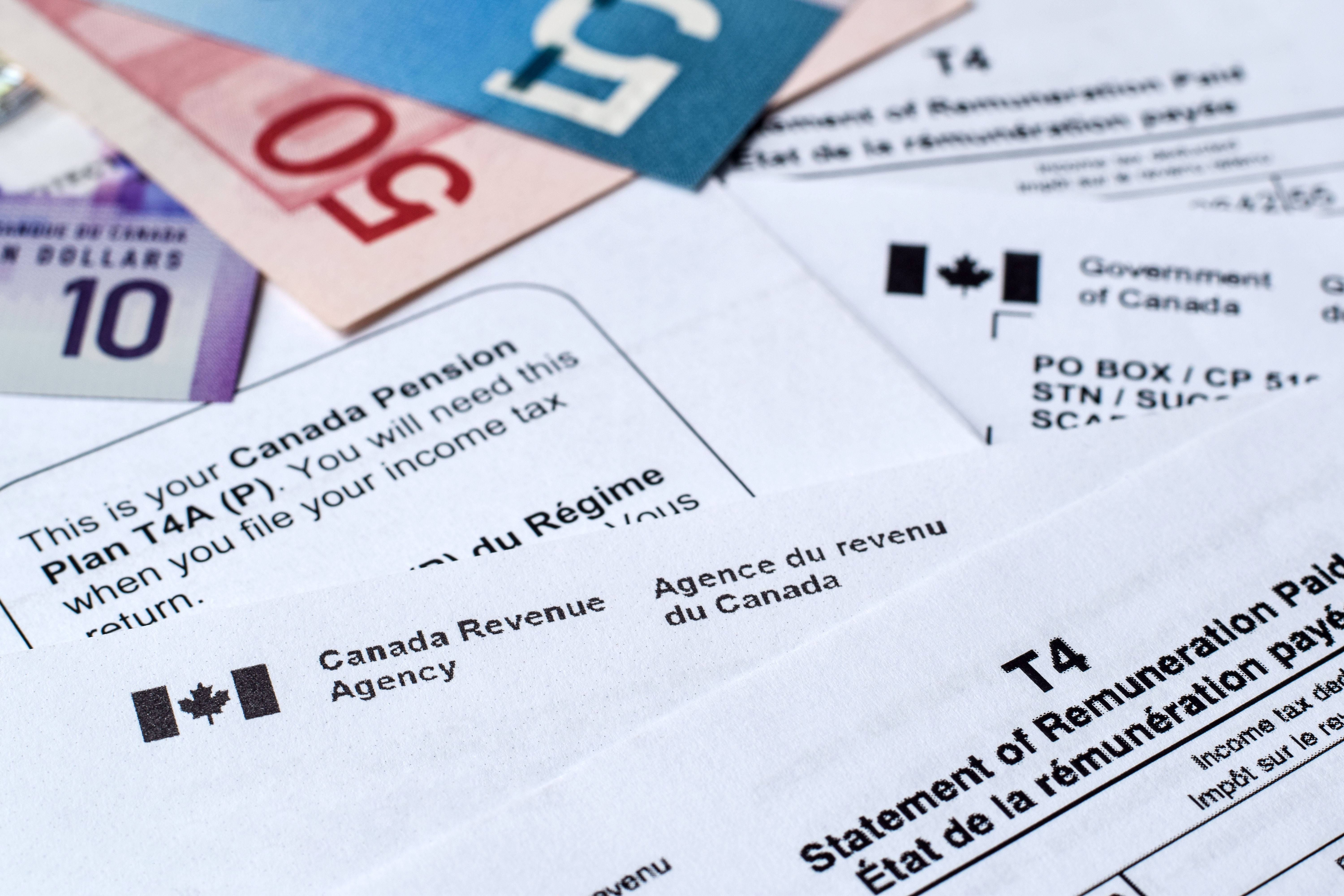
One of the first steps in preparing for tax season is gathering all necessary documentation. This includes W-2 forms from employers, 1099 forms for additional income, and any receipts for deductible expenses. Having these documents readily available will make the filing process more efficient and help avoid any last-minute scrambles.
Understanding Local Tax Requirements
Residents of Harris County should be aware of specific local tax obligations that may affect their filings. Familiarize yourself with state and local tax laws to ensure compliance. Texas, for example, does not have a state income tax, but there may be other local taxes or fees applicable to your situation.
Additionally, consider consulting with a tax professional who understands the intricacies of Harris County's tax regulations. A tax advisor can provide valuable insights and help identify deductions or credits you might have overlooked.

Maximizing Deductions and Credits
One of the best ways to reduce your tax liability is by taking advantage of available deductions and credits. Common deductions include mortgage interest, property taxes, and charitable contributions. Credits such as the Child Tax Credit or the Earned Income Tax Credit can also significantly lower your tax bill.
Make sure to keep detailed records of any expenses related to these deductions and credits. Proper documentation can support your claims and prevent potential issues if your return is audited.
Utilizing Technology for Easier Filing
In today's digital age, technology can greatly simplify the tax preparation process. Consider using tax software to streamline your filing. These programs often feature step-by-step guidance and can help identify potential deductions or errors in your return.
Furthermore, many software options offer electronic filing, which can expedite the process and allow for quicker refunds. Be sure to choose a reputable program that offers secure data handling to protect your personal information.
Plan for Next Year's Taxes
Once you've filed your taxes, take some time to plan for the next year. Review your current financial situation and consider making adjustments to your withholdings or estimated tax payments. Proper planning can prevent unexpected liabilities in the future and ensure a more balanced financial outlook.
Finally, keep abreast of any changes in tax laws that may impact your filing for the following year. Staying informed will help you make timely adjustments and maximize your financial benefits.