Seasonal Tax Tips: Preparing for Tax Season in Texas


Understanding Texas Tax Season
As the tax season approaches, Texans may find themselves overwhelmed with the thought of organizing their financial records and filing their taxes. It's essential to understand the unique aspects of the Texas tax system to ensure you're well-prepared and compliant. While Texas does not have a state income tax, residents still need to be mindful of federal tax obligations and various state-specific taxes.
One of the first steps in preparing for tax season is gathering all necessary documents. This includes W-2s, 1099s, and any other relevant income statements. Additionally, keep track of any deductions or credits you may qualify for, as these can significantly impact your overall tax liability.

Maximizing Deductions and Credits
Deductions and credits can greatly reduce your taxable income and save you money. In Texas, common deductions include mortgage interest, property taxes, and charitable contributions. It's crucial to keep accurate records of these expenditures throughout the year to ensure you can claim them when filing your taxes.
Tax credits, on the other hand, directly reduce your tax bill and are highly beneficial. Be sure to explore available federal credits such as the Earned Income Tax Credit (EITC) or the Child Tax Credit if applicable. Understanding and utilizing these credits can help maximize your refund or reduce the amount you owe.
Important Deadlines to Remember
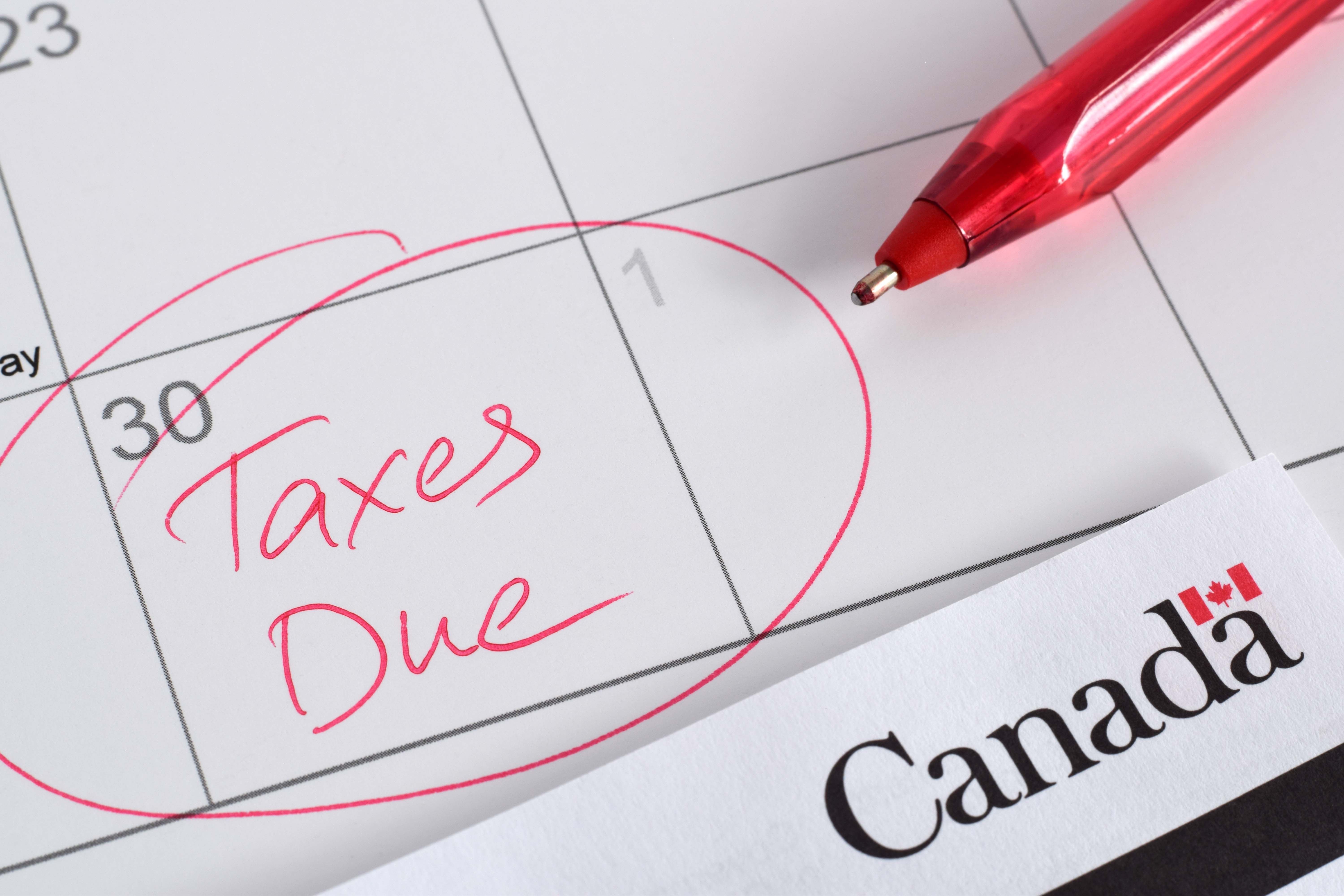
Staying aware of important tax deadlines is vital to avoid penalties and interest charges. The federal tax filing deadline is typically April 15th, but it's always wise to double-check each year for any changes. If you find yourself unable to meet this deadline, consider applying for an extension to provide additional time for filing.
For those who may owe taxes, it's important to note that while an extension grants you more time to file your return, it does not extend the deadline for paying any taxes due. Ensure that you pay at least 90% of your estimated tax liability by the original deadline to avoid potential penalties.
Seeking Professional Assistance
If navigating the complexities of tax season feels daunting, consider seeking professional assistance. A certified tax professional can help ensure that you're compliant with all regulations and take advantage of applicable deductions and credits. They can also provide valuable advice on long-term tax planning strategies tailored to your specific needs.
Hiring a tax expert may seem like an additional expense, but the peace of mind and potential savings they can provide often outweigh the costs. Their expertise can help you avoid costly errors and ensure that your taxes are filed accurately and on time.
Utilizing Tax Software for DIY Filers
For those who prefer a hands-on approach, several tax software programs are available to assist with filing. These programs offer step-by-step guidance and can help identify deductions and credits you may be eligible for. Many of these tools are user-friendly and updated regularly to reflect changes in tax laws.
When choosing tax software, consider factors such as ease of use, customer support, and the ability to handle complex tax situations if applicable. Reading reviews and comparing features can help you select the best option for your needs.

Preparing for Next Year's Tax Season
Once this year's taxes are filed, it's never too early to start preparing for the next tax season. Establishing good financial habits throughout the year can make a significant difference in your tax filing experience. Consider setting up a dedicated folder or digital storage system for organizing receipts, statements, and other important documents.
Additionally, staying informed about changes in tax laws can help you plan for future expenses or adjustments in income. By being proactive, you'll find yourself better prepared when tax season rolls around again.