The Ultimate Guide to Tax Preparation in Harris County


Understanding Tax Preparation Basics
Tax preparation can be a daunting task, especially if you're unfamiliar with the process. In Harris County, like the rest of the U.S., filing taxes accurately and on time is crucial. Understanding the basics is the first step. This guide will walk you through essential tips and resources to make tax season less stressful.
Gathering Necessary Documents
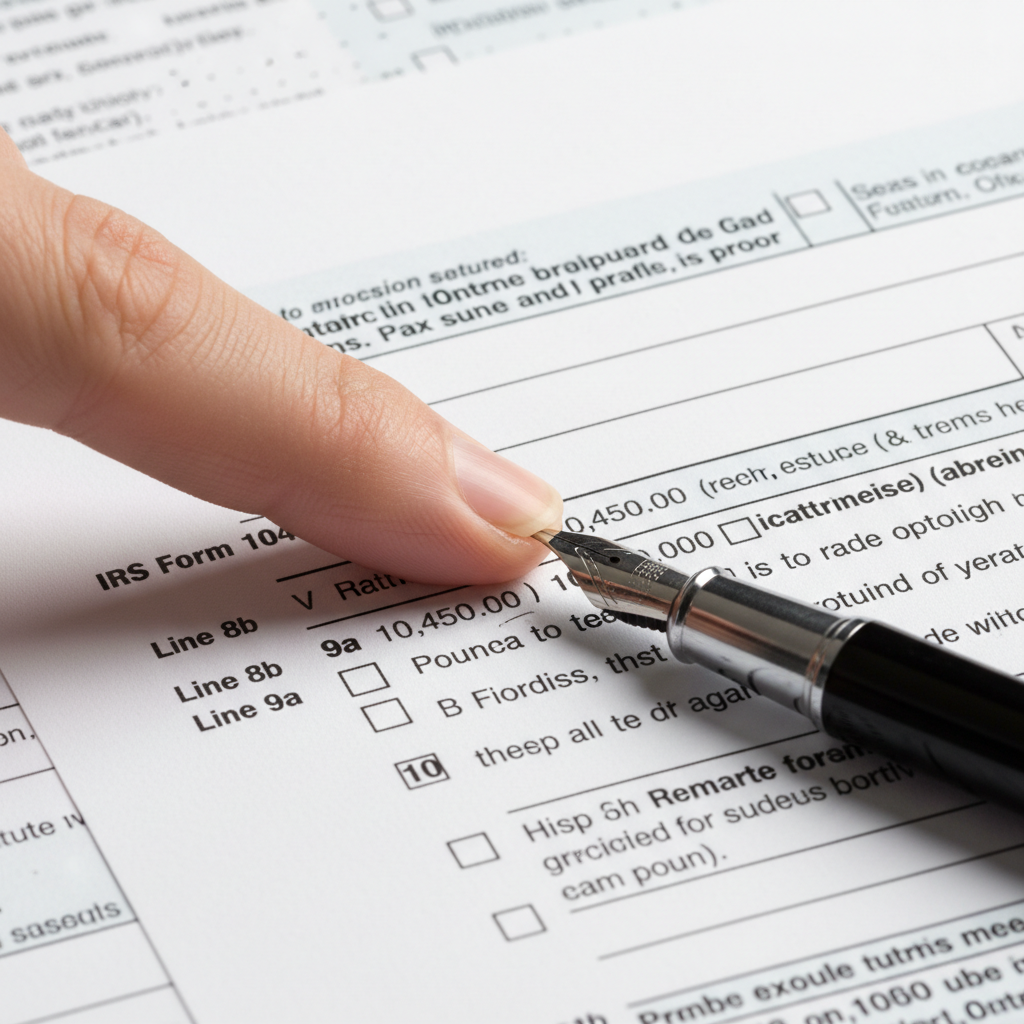
Before you start, gather all necessary documents. This typically includes W-2 forms from employers, 1099 forms for other income, mortgage interest statements, and any records of deductions or credits. Having these documents ready will expedite the process and help ensure accuracy.
Choosing the Right Filing Method
Deciding how to file your taxes is an important consideration. You can choose between filing on your own, using tax software, or hiring a professional. Each option has its pros and cons, depending on your specific situation and comfort level with tax regulations.

Utilizing Tax Software
Tax software can be a helpful tool for those who prefer a DIY approach. These programs guide you through the filing process, often identifying deductions and credits you might miss. Popular options include TurboTax, H&R Block, and TaxAct. Ensure the software is up-to-date with the latest tax laws.
Hiring a Tax Professional
If your tax situation is complex, hiring a professional might be the best route. Tax professionals are adept at navigating intricate tax codes and maximizing your refund. Make sure to choose someone with a good reputation and experience in Harris County.

Maximizing Deductions and Credits
Understanding the deductions and credits available can significantly impact your tax outcome. Common deductions include mortgage interest, student loan interest, and medical expenses. Credits, such as the Earned Income Tax Credit, can also reduce your tax liability.
Staying Informed About Tax Changes
Tax laws change frequently, and staying informed is crucial. Subscribe to IRS newsletters or consult with a tax professional to keep abreast of any changes that may affect your filing. Awareness can prevent costly mistakes and ensure compliance.
Meeting Deadlines and Avoiding Penalties
Filing your taxes by the deadline is essential to avoid penalties. In 2023, the deadline is April 18th. If you cannot file by then, consider applying for an extension. However, remember that an extension to file is not an extension to pay any taxes owed.

Final Preparations
Before submitting, double-check all entries for accuracy. Ensure your personal information matches what's on file with the IRS, and verify that all deductions and credits are correctly applied. This final review can prevent future headaches.
By following this ultimate guide, you'll be well-prepared to tackle tax preparation in Harris County with confidence. Whether you choose to go it alone or seek professional help, understanding the process is key to a stress-free tax season.